Classic Watch Restoration Case: Full Refurbishment Process of a 1960s Vintage Rolex
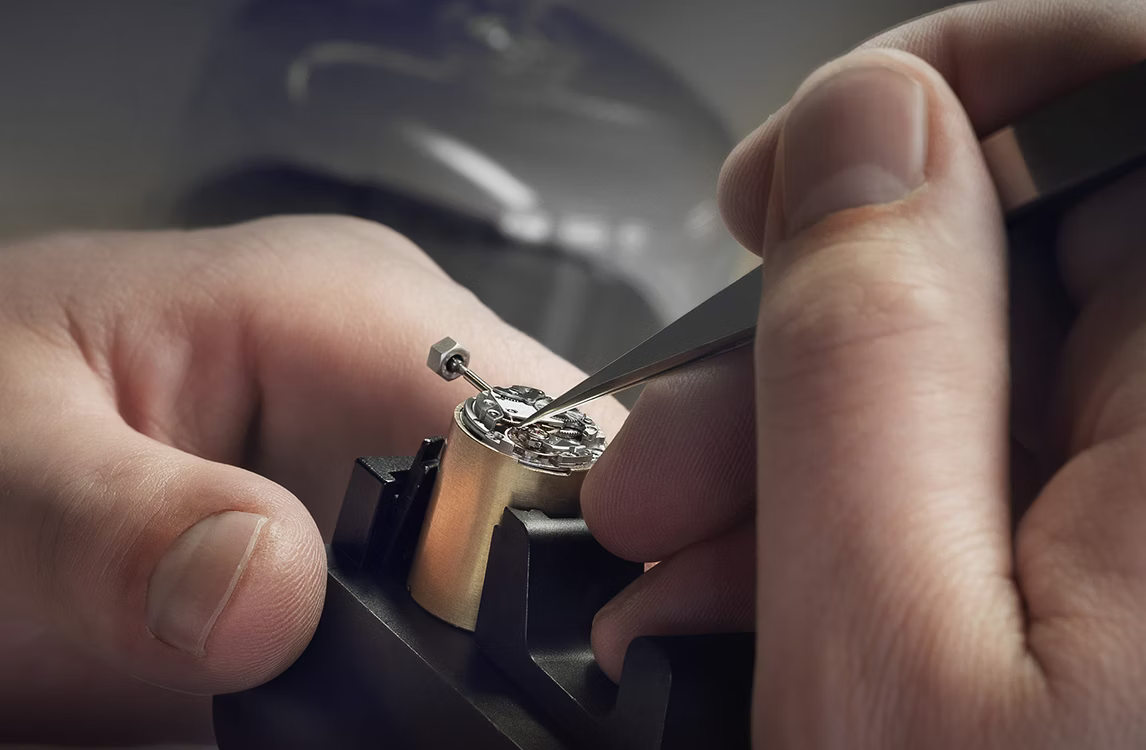
Vintage watches carry the traces of time and unique historical value. A 1960s Rolex Oyster Perpetual recently came to our restoration workshop—its case was covered with deep scratches, the dial had faded, and the movement had stopped running. Today, we’ll take you through the full restoration process of this "time treasure" and see how we brought it back to its former glory.
Step 1: Comprehensive Inspection and Disassembly
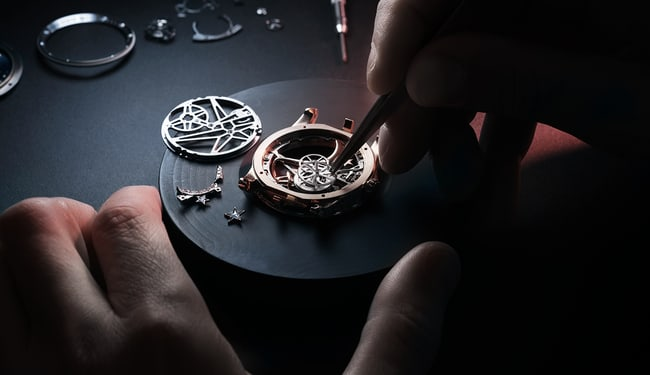
The first step in restoration is a detailed inspection. Our watchmakers used professional tools to check the watch’s condition: the stainless steel case had multiple scratches and oxidation spots, the acrylic crystal was cracked, the dial’s luminous markers had fallen off, and the movement (Cal. 1520) had serious oil sludge accumulation and worn gears. Next, we disassembled the watch step by step—removing the bracelet, case back, movement, dial, and hands—each part was labeled to avoid confusion.
Step 2: Movement Servicing and Repair
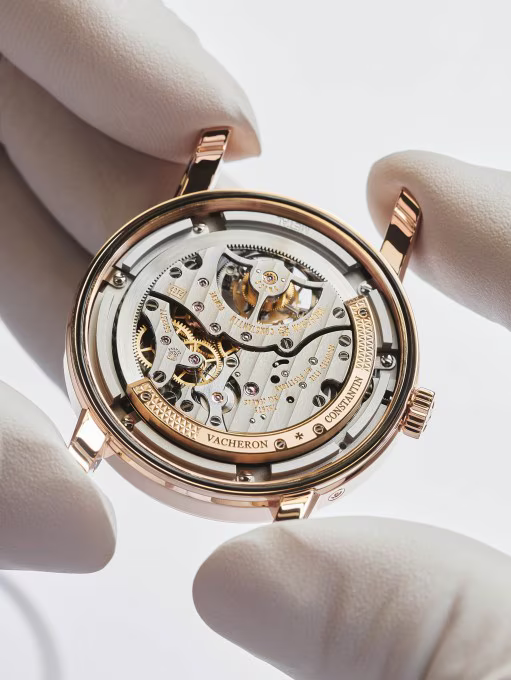
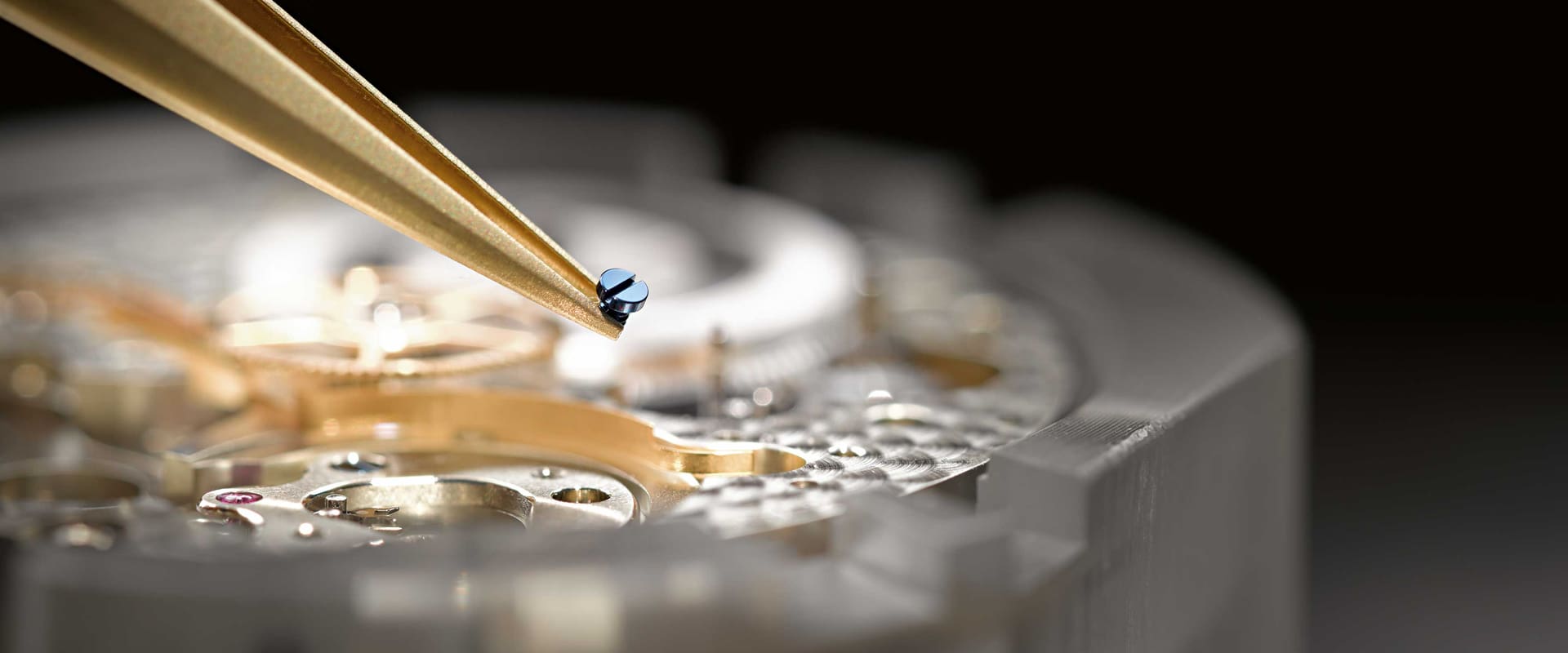
The movement is the "heart" of the watch, so this step is crucial. We soaked all movement parts in a professional cleaning solution to remove oil sludge and dirt, then dried them with compressed air. For worn gears and bearings, we replaced them with original vintage parts (sourced from authorized Rolex suppliers). After that, we applied professional lubricating oil to each moving part and reassembled the movement. Finally, we tested the movement’s accuracy with a timegrapher—ensuring it met the original factory standards.
Step 3: Case and Bracelet Refurbishment
The case and bracelet were polished using a two-step process: first, we used a fine-grit sandpaper to grind off deep scratches and oxidation; then, we used a polishing wheel with professional polishing paste to restore the case’s original mirror finish. For the bracelet, we not only polished it but also replaced the worn pins and springs to ensure it was flexible and secure. We paid special attention to preserving the watch’s original lines and edges—avoiding over-polishing that would damage its vintage character.
Step 4: Dial and Crystal Restoration
The faded dial was sent to a professional dial restoration studio. The craftsmen reprinted the dial’s original patterns and colors using vintage techniques, and reattached the luminous markers with original-style luminous material. The cracked acrylic crystal was replaced with a new one that matched the 1960s specification—we also polished the edges to make it fit perfectly with the case.
Step 5: Final Assembly and Quality Inspection
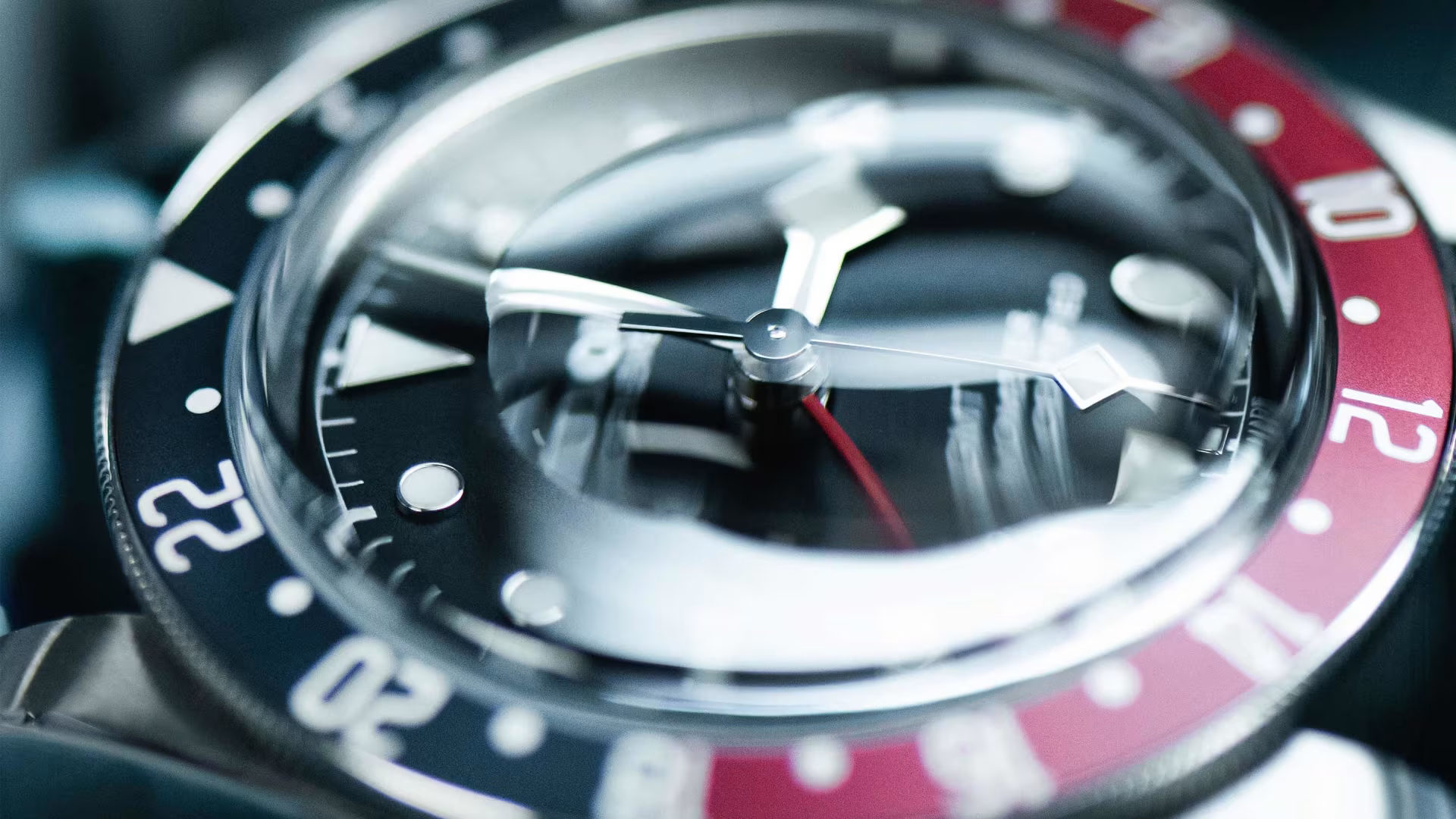
After all parts were restored, we reassembled the watch: installing the movement into the case, attaching the dial and hands (adjusting their alignment), and fitting the bracelet. Finally, we conducted a series of tests: water resistance testing (the 1960s Rolex Oyster Perpetual is water-resistant to 100 meters, so we tested it at 120 meters to ensure safety), accuracy testing (running for 24 hours to check time deviation), and appearance inspection. When the watch was fully restored, it looked almost as good as it did when it left the factory in the 1960s!
Restoring a vintage watch is not just about repairing it—it’s about preserving history. Every scratch and trace of wear tells a story, and our job is to let that story continue. If you have a vintage watch that needs restoration, contact our professional team—we’ll treat it with the care it deserves.
 Online Consultation
 WhatsApp